
Career treks are where the IESE MBA comes alive, connecting classroom learning with real-world insight. This year, across Barcelona, Berlin, and Madrid, our MBA students explored various industries gaining firsthand exposure and building connections that shape their career journeys. In this post, learn more about the treks organized by the Fintech, PE&VC and Tech Clubs in March.
Exploring Barcelona’s Fintech Ecosystem
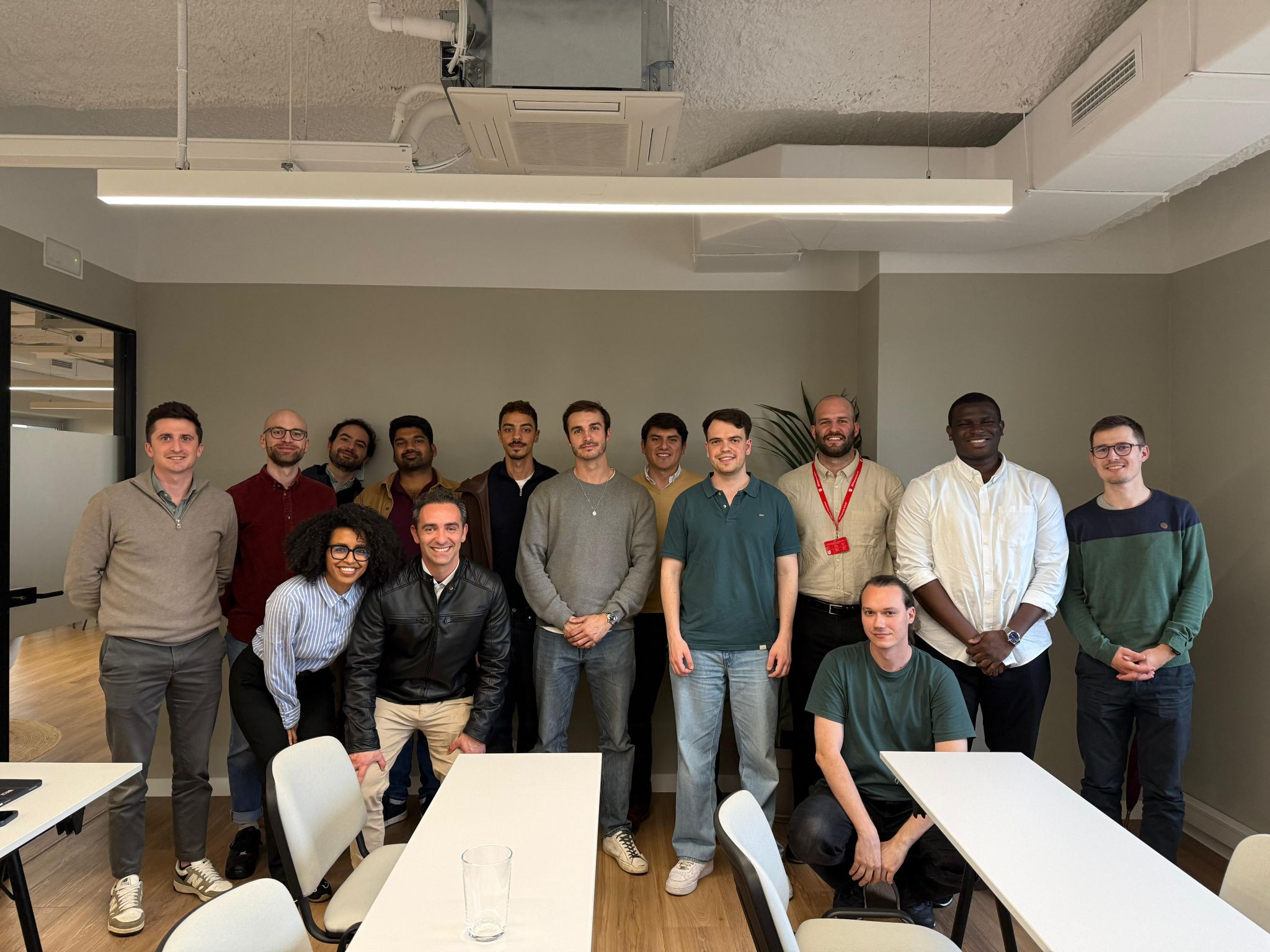
Over two days in March, IESE MBA students had the opportunity to engage with leaders across Barcelona’s growing fintech ecosystem. The trek combined company visits, founder insights, and networking sessions that gave students a practical view of how fintech companies are built and scaled.
We began Thursday morning at Kantox, where the team shared their journey building one of Europe’s leading FX and treasury technology platforms. What began as a Barcelona startup has grown into a company processing billions of transactions across more than 70 countries and is now part of BNP Paribas. Hearing directly from Michael Schimmel, Chief Commercial Officer, and Simon Chevoleau, Chief Product Officer, gave students insight into the commercial execution and product thinking required to scale a fintech platform globally. The session also included conversations with Berta Haro and Fernanda Juarez, who shared their own journeys working within the company.
In the afternoon, we hosted a BCN FinTech Panel with Quim Allard, CEO of Iqana, and Manel Velasco, CEO of Numerand. The discussion offered a candid perspective on building fintech startups from the ground up, including navigating regulation and fundraising. For MBA students considering entrepreneurship or joining startups, the conversation offered an honest look at the realities founders face beyond what is discussed in the classroom. We were welcomed into the BCN Fintech building by Nuria Manils, who helped facilitate the session.
Later that day we visited SeQura, where we met Declan Havlicek, Strategic Initiatives Lead in the Office of the CEO. The discussion focused on how SeQura has scaled into one of Southern Europe’s leading Buy Now Pay Later platforms, serving more than 8,500 merchants. Students gained insight into how fintech companies must continuously innovate in competitive markets while maintaining sustainable growth.
The trek concluded on Friday morning at Abacum, a company founded by IESE MBA alumni. The team shared how the company has rapidly scaled, tripled its revenue, and recently secured a $60 million Series B investment. During the visit we met:
- Eduardo Bork Alvo, Head of Finance and Legal, IESE alumnus
- Michael Maw, Head of EMEA Sales
- Baha’ Makarem, Head of FP&A Operations, IESE alumnus
- Laia Aleu Castells, Senior Talent Acquisition Partner
Seeing a company built by IESE alumni and scaling globally highlighted how the IESE ecosystem continues to produce impactful technology ventures.
Beyond Company Visits
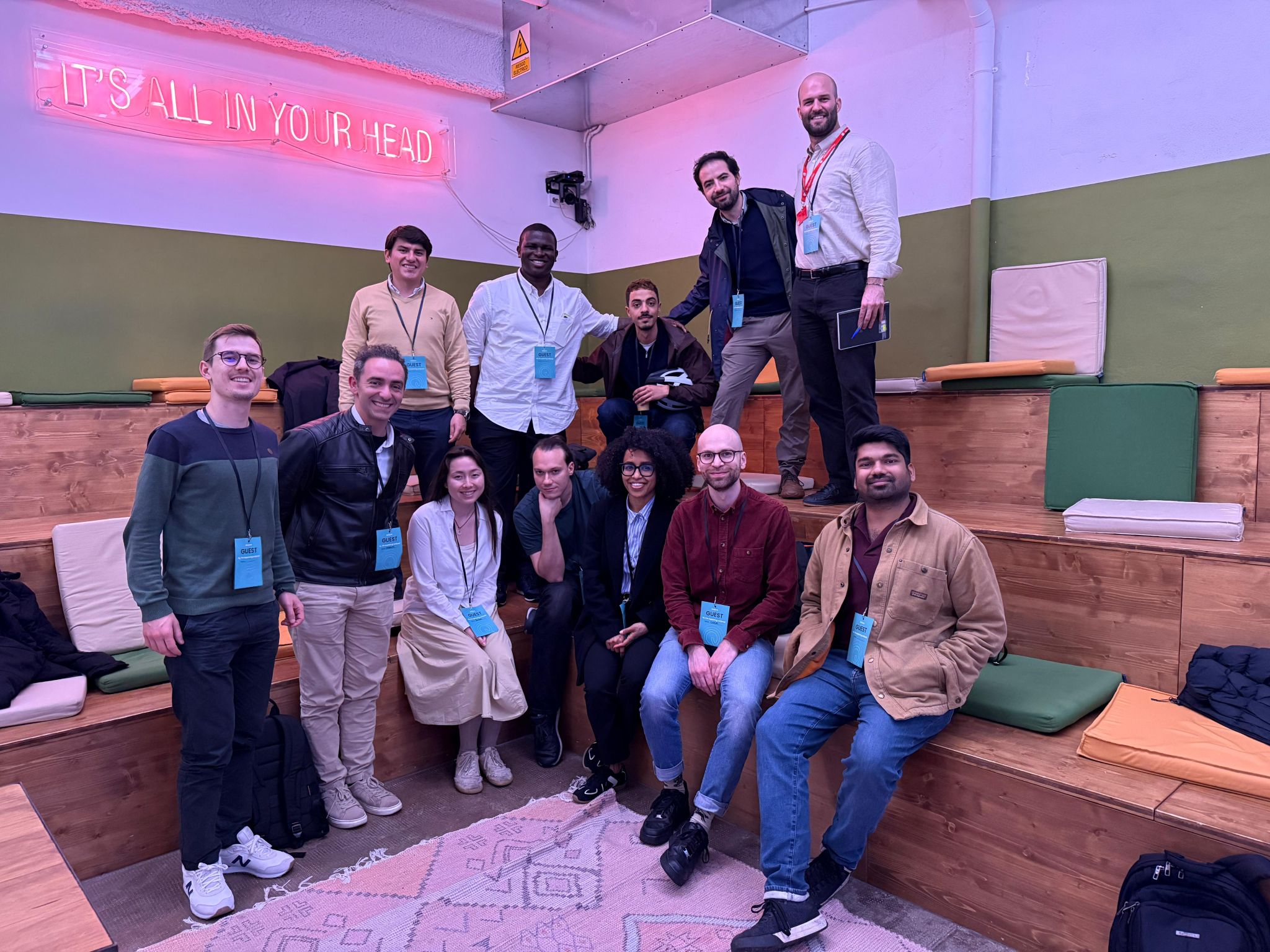
A highlight of the trek was the opportunity for students to network with teams at each company following the sessions. These informal conversations allowed students to explore potential summer internship and full-time opportunities, while also building relationships within Barcelona’s fintech community.
For students interested in fintech careers, experiences like this provide something that classroom discussions cannot fully replicate. Students hear directly from the operators building the products, navigating the markets, and scaling the companies shaping the industry.
Barcelona’s fintech ecosystem is thriving, and the trek gave IESE students a valuable opportunity to engage directly with the people building it.
The Barcelona Fintech Trek was organized by MBA 2026 students Jade Peixoto Vasconcelos, Sandra Wu Myer and Oluseye Obadeyi.
Written by Oluseye Obadeyi, MBA 2026
—
Organizing the first PE&VC Club Trek
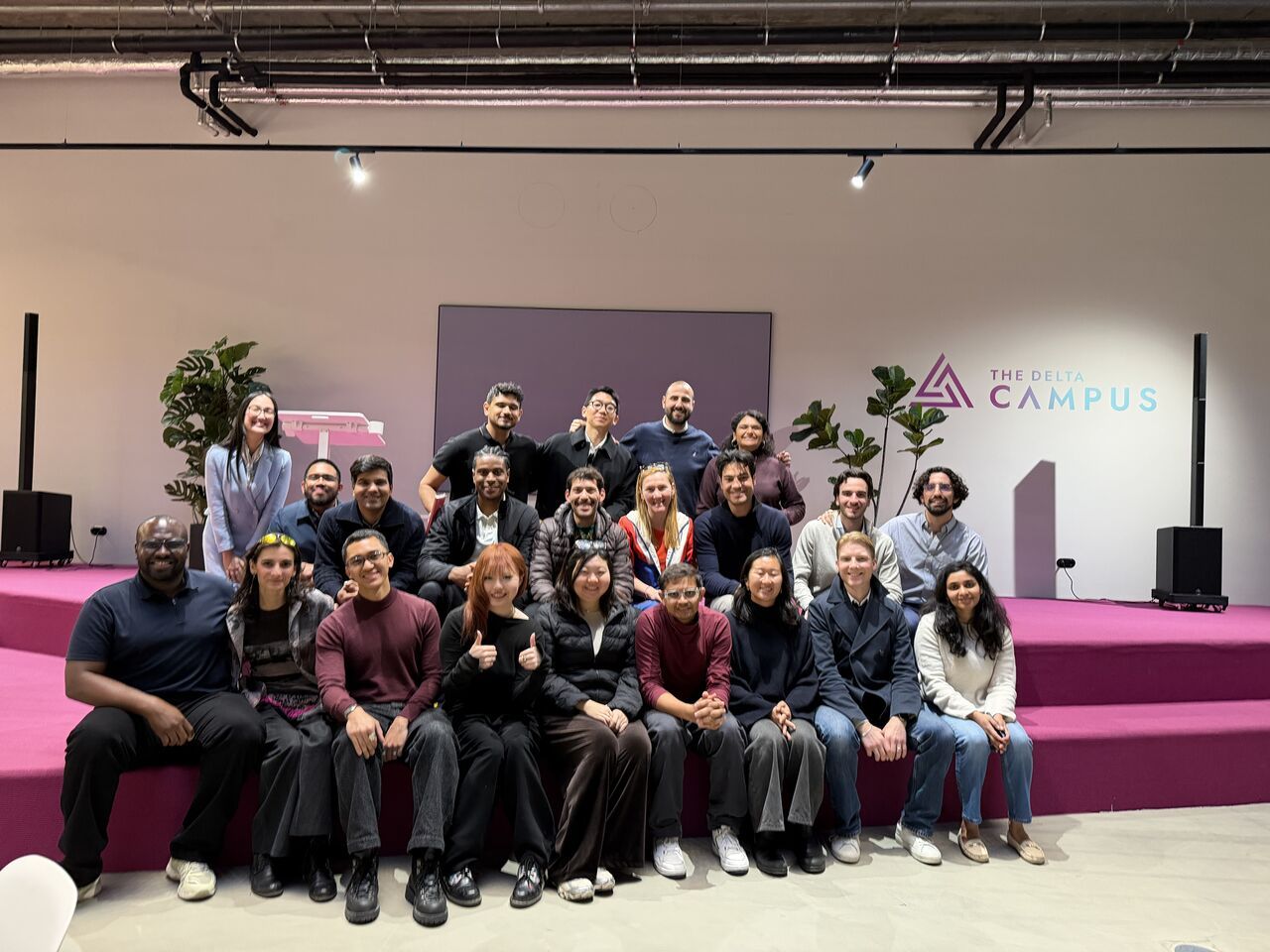
Over the past months I had the opportunity to organize the first PE&VC Club Trek, bringing students to the heart of one of Europe’s most dynamic startup ecosystems: Berlin. It was great to finally see everyone come together for two days of insightful conversations and exchanges across the venture, technology, and innovation ecosystem.
We met with investors and operators at Planet A Ventures (Alexander Seel, Christoph Gras), Future Energy Ventures (Luisa Müller), High-Tech Gründerfonds (Isabel Hovorka), Copenhagen Infrastructure Partners (Oliver Seelis), Lufthansa Innovation Hub (Julian Klomsdorf), Upvest (Ysabel Mahnel), and The Delta (Tsveta S.). The discussions offered a close look at how capital is deployed across deep tech, infrastructure, energy, fintech and software.
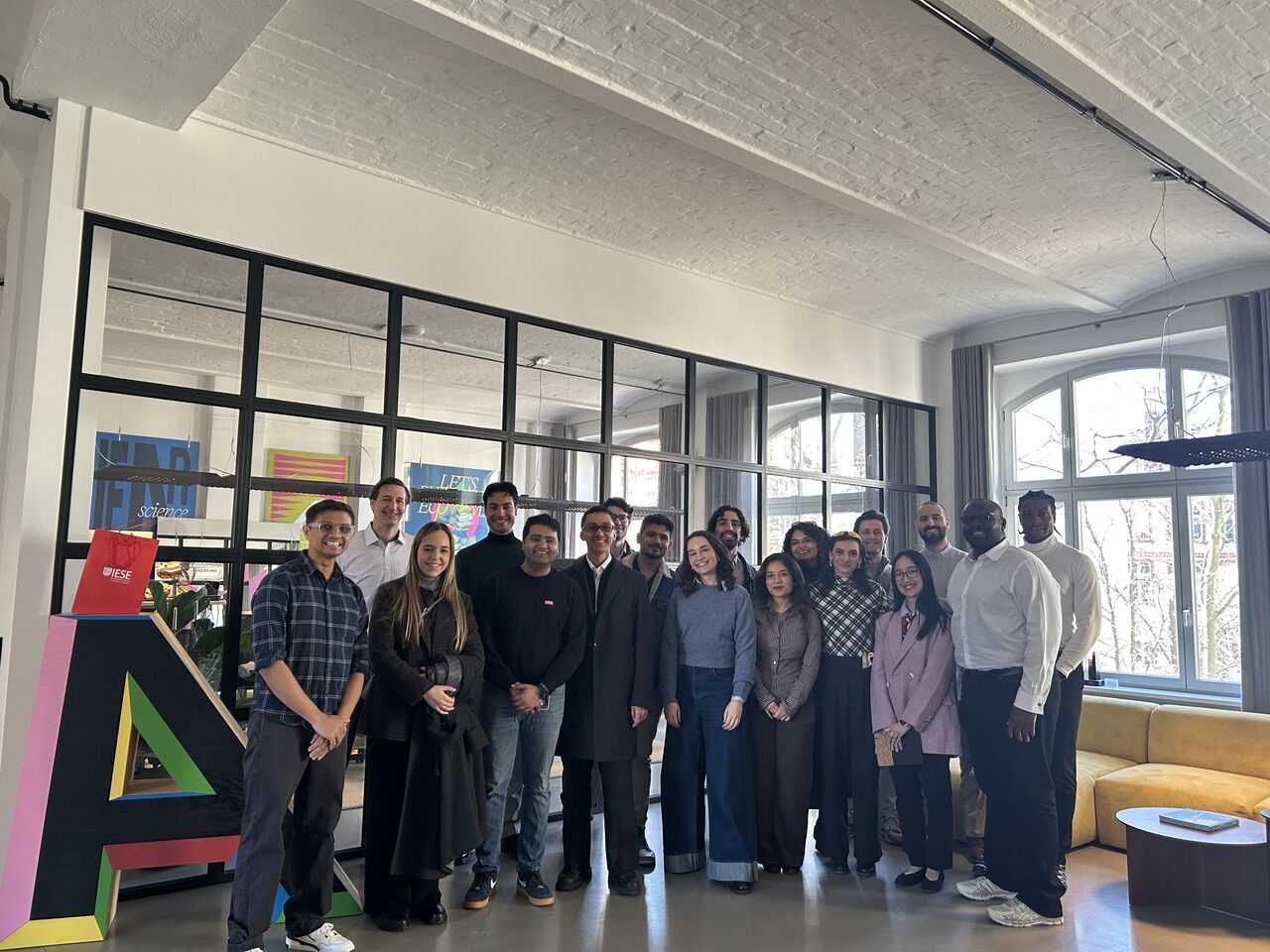
A highlight of the trek was the joint alumni panel with the IESE Startup & Entrepreneurship Club and IESE Tech Club featuring August von Joest, Alexander Seel, Oliver Seelis, David Speese, Carlos Sainz, Chris Schmude, and Diane Sicsic, hosted by Design Offices at Die Macherei Berlin-Kreuzberg.
Key themes of the discussion:
• How AI is reshaping the skills required for tomorrow’s investors and operators
• How to break into PE/VC
• Stakeholder management and the realities of fundraising
• Pathways into the tech ecosystem
• Berlin’s economic and cultural environment as a startup hub
Thank you to all the firms, speakers, alumni, students and the venue hosts who contributed to making the first IESE PE&VC Trek possible. Looking forward to seeing this initiative continue to grow 🙌
Written by Arthur Bär, MBA 2027 [Reposted from Linkedin]
—
Bringing some Barcelona sun to Berlin, the IESE Tech Trek
A week of stepping out of classrooms and into real conversations – understanding how European tech companies are actually building and operating across markets, cultures, and very different customer expectations.
🥗 HelloFresh: What looks like a simple recipe box is actually a seriously disciplined supply chain operation. Learning how closely they work with suppliers and keep wastage to just ~1–2% was eye-opening. Even more interesting was the mindset that customer compensation isn’t just a cost – it’s seen as a retention investment.
Hearing Dina M. building deep customer empathy while navigating supply chain complexity in Amsterdam made the learning feel grounded.
🛍️ Zalando: European e-commerce logistics sounds smooth in theory, until you hear stories like a swimsuit returned in Iceland eventually being routed to Spain. Returns remain the industry’s biggest pain point, shaped by very different behaviours across EU markets. At the same time, Zalando is experimenting with AI-led discovery and content formats – their live shopping shows already hold attention for ~9 minutes.
🎯 Talon.One: An excellent case of infrastructure masquerading as martech. By owning the logic behind promotions and loyalty, Talon.One sits close to revenue, which makes SaaS stickier and churn lower. It was a very insightful lens on how “unsexy” enterprise problems often build the strongest businesses.
🚆 Omio: What stayed with me was how hard it is to “simply” unify transport globally. Flights and hotels are relatively structured – but trains, buses, and cross-border journeys are still deeply local and messy. In a world where AI can plan trips in seconds, Omio’s challenge is making sure the journey actually works in real life.
💸 Upvest: We didn’t just listen – we worked. Split into teams and asked to look at Upvest from a VC lens: would we invest or not? Debating risks and opportunities was probably the most effective way to understand a startup – not as visitors, but as investors for an afternoon.
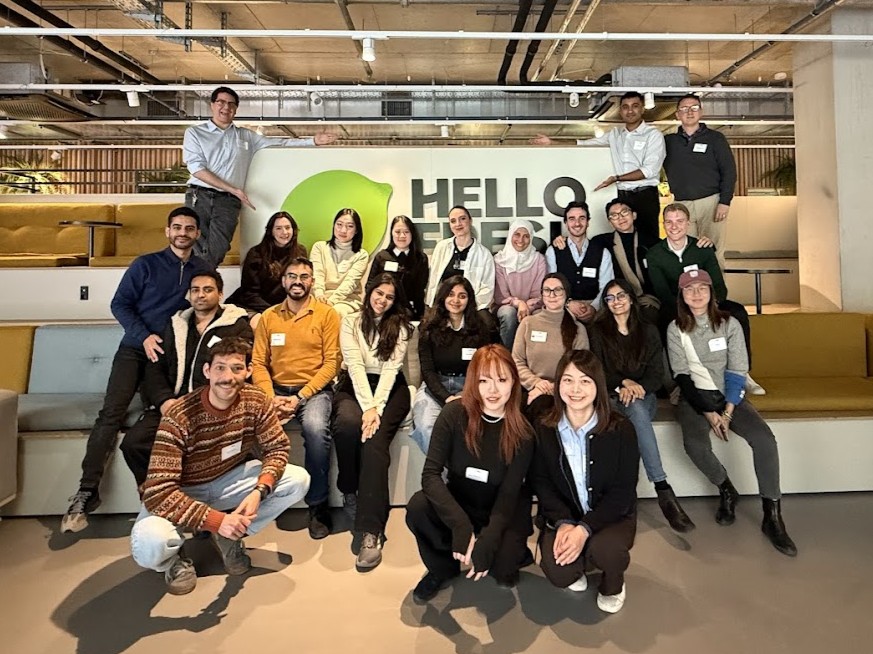
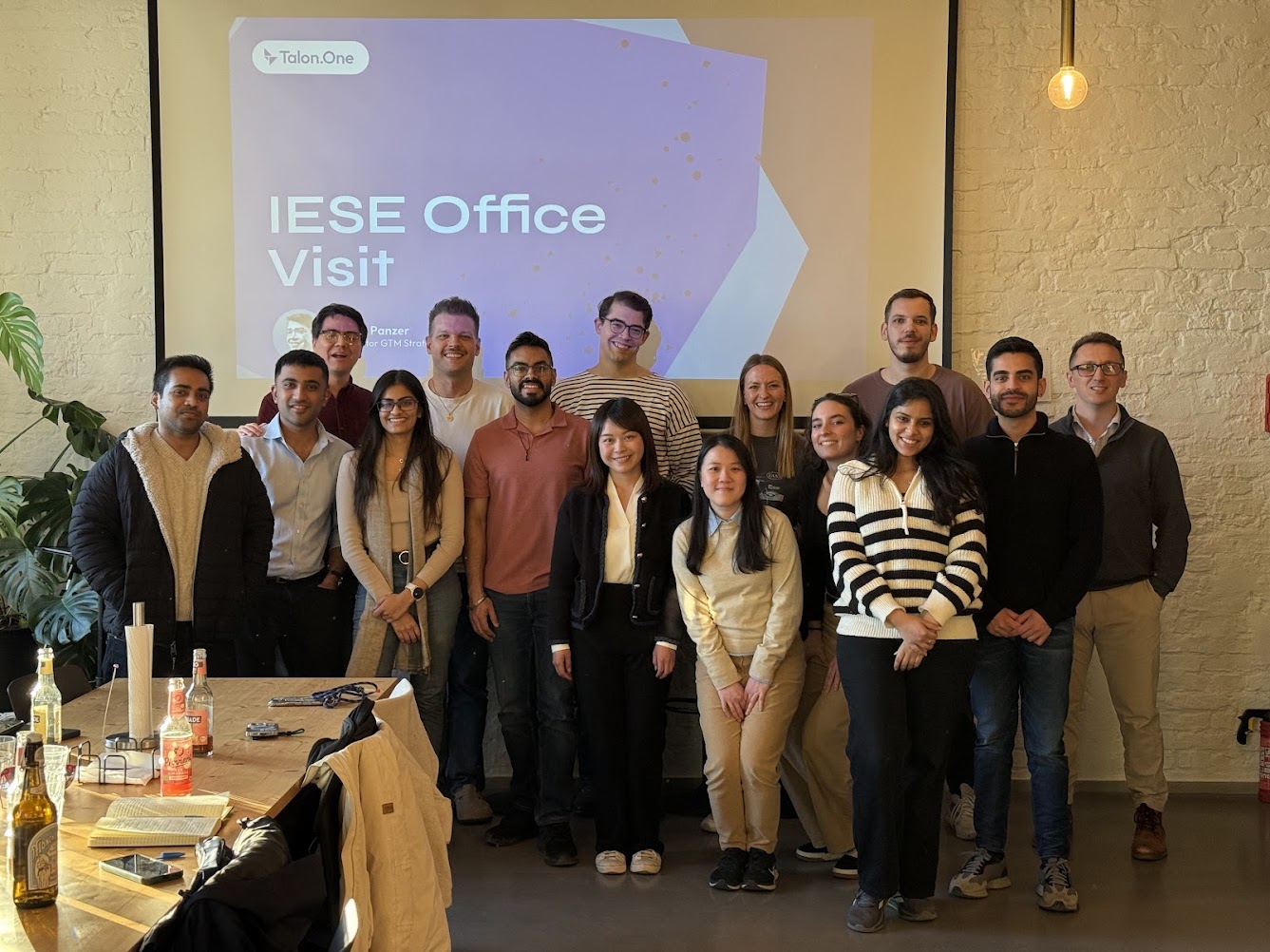
🎓 𝐈𝐄𝐒𝐄 𝐀𝐥𝐮𝐦𝐧𝐢 𝐏𝐚𝐧𝐞𝐥: A real highlight was hearing three IESE alumni share candid perspectives on building careers in Berlin’s tech ecosystem. Their honesty, practical tips and willingness to pay it forward made the whole trek feel more real and human.
Somewhere between U-Bahn rides, startup whiteboards, and way too much coffee, Berlin started to feel less like a visit and more like a place I could genuinely see myself building a career in.
Written by Pushpit Narula, MBA 2027 [Reposted from Linkedin]
Pursue your dream MBA! Take these next steps today: