

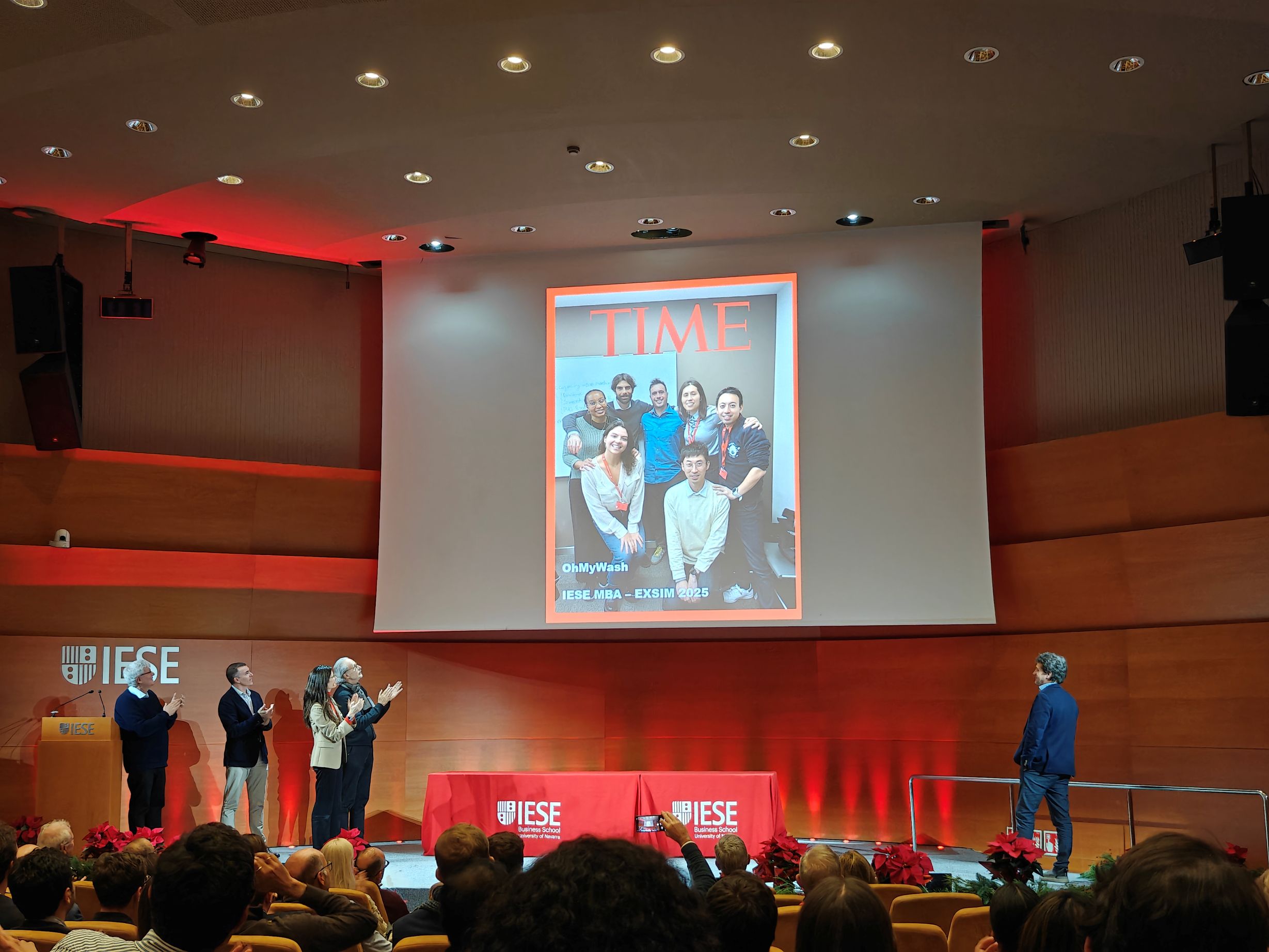
Have you ever felt dizzy making a decision in under 5 minutes? That was our reality during EXSIM week, Monday to Friday, 8am to 10pm+. EXSIM (Executive Management Simulation), the most intensive learning experience of my MBA journey. Our team achieved the highest market share, but the real win was what we learned along the way.
What Is EXSIM?
EXSIM is an intensive five-day simulation that puts MBA students in the driver’s seat of a virtual manufacturing company. Teams of six or seven take on C-suite roles: CEO, CFO, CMO, COO, CLO, CPO/CSO, and Controller. Each period represents 4-months, and decisions must be made under real-time and competition pressure. You’ll compete with 5 other teams in a same “world”, fighting for market share, shareholder return, profit, ESG score and others.
The simulation covers the full spectrum of business operations: marketing and price strategy, demand forecasting, production planning, capacity investment, logistics, sustainability initiatives, negotiate with bank & union and financial management. You’re not just making isolated decisions, yet everything connects. A bold marketing move without sufficient capacity? Stockout. Aggressive expansion without cash reserves? Game over.
And then there’s the board. External executives play the role of shareholders and directors, grilling your team on strategy, challenging your assumptions, and holding you accountable for results.
It’s as close to the real boardroom as a classroom can get.
The Decisions We Faced
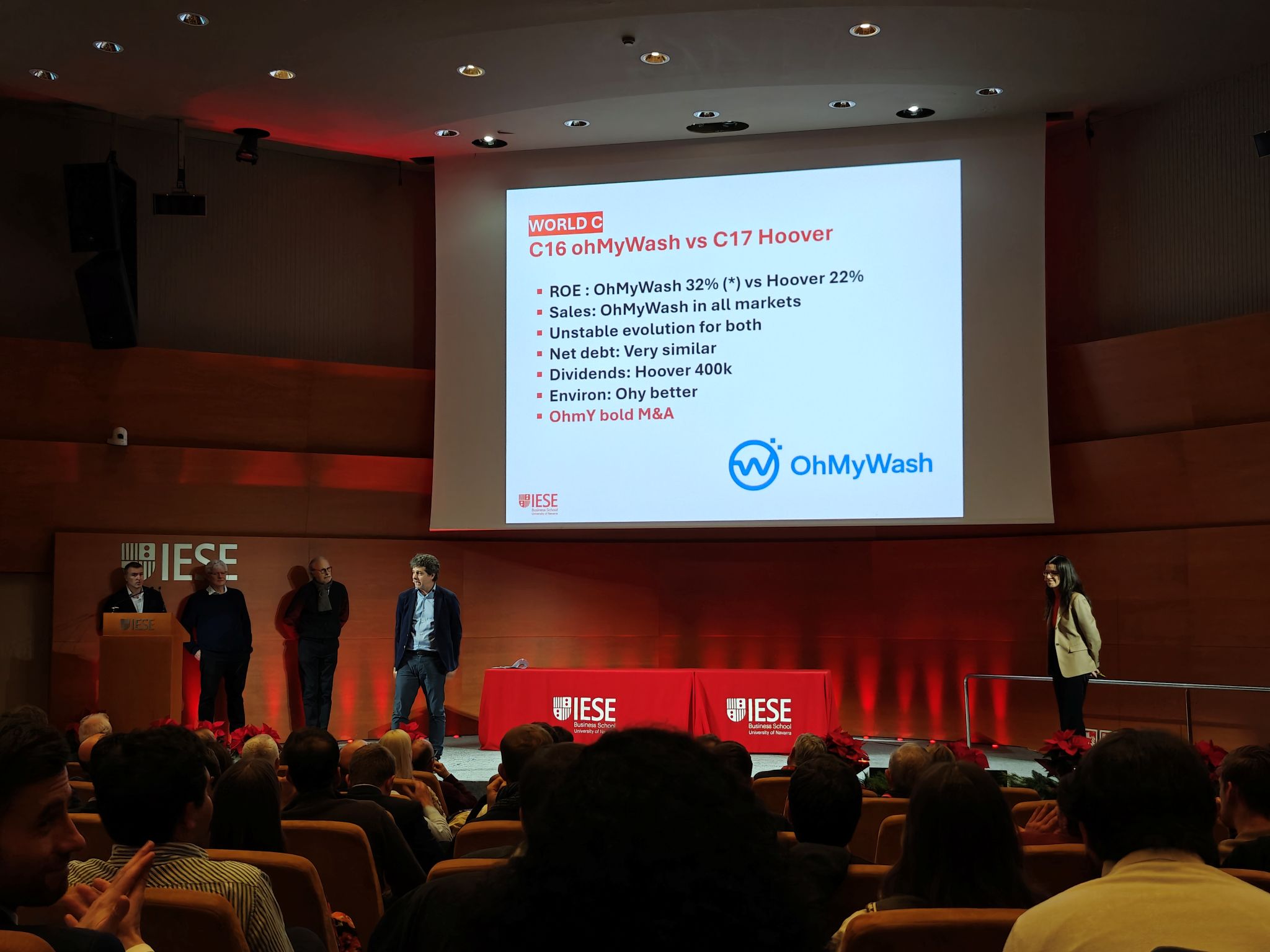
Every day we faced a different challenge and had to make strategic decisions that would determine the survival of our company!
The simulation compressed a full business cycle into five days and every phase demanded different trade-offs. Early on, demand outpaced capacity. We had to prioritize which to invest first, which regions to serve, and which price should we set.
Then the market contracted. What was a capacity problem became an inventory problem. The question shifted from “can we make enough?” to “should we cut prices to clear stock or hold the line and protect margins while competitors undercut us?”
And when a rival started failing, we faced the biggest call: let them bleed out and absorb their customers gradually, or acquire them outright and bet on integration.
There were no safe choices. Only trade-offs.
What I Learned
🤝 Team First
A great team can do almost anything. Our success wasn’t built on one star player. It came from radical clarity: everyone knew their lane, owned their decisions, and trusted each other to deliver. When alignment clicks, magic happens.
🎯 Know Your Board
Understand what they want, why they want it, then show them how you’ll deliver. Give them the long-term forecast, not just quarterly results. Underpromise, overachieve. One thing I learned: resource constraints create healthy tension. Rotating pressure across functions keeps everyone sharp and accountable.
♟️ Stay Two Moves Ahead
In a price war, following is easy. Leading is hard. The real question isn’t “aggressive or conservative?” It’s “what will competitors do next?” When you’re in the lead, defending that position becomes the hardest game.
💰 Cash Is the Lifeline
Growth kills companies that run out of cash. Every role, not just Finance, needs to internalize this. The CFO guards the lifeline; everyone else must respect it.
My Role: COO
As COO, I learned that operations is a constant balancing act. Early on, we squeezed every drop of capacity to meet surging demand. Later, when the market suddenly contracted, we faced excess inventory and fierce competition. The job shifted from maximizing output to clearing stock and fighting for share. Flexibility isn’t optional—it’s survival.
My Favourite Part
Honestly? The breaking news moments. Just when you thought you had a plan, the EXSIM Times would drop a new and unexpected headline: a transportation strike looming, a regulatory change, a lean management convention. It forced us out of spreadsheet optimization and into real strategic thinking. The chaos was exhausting, but it made the learning stick.
The Team
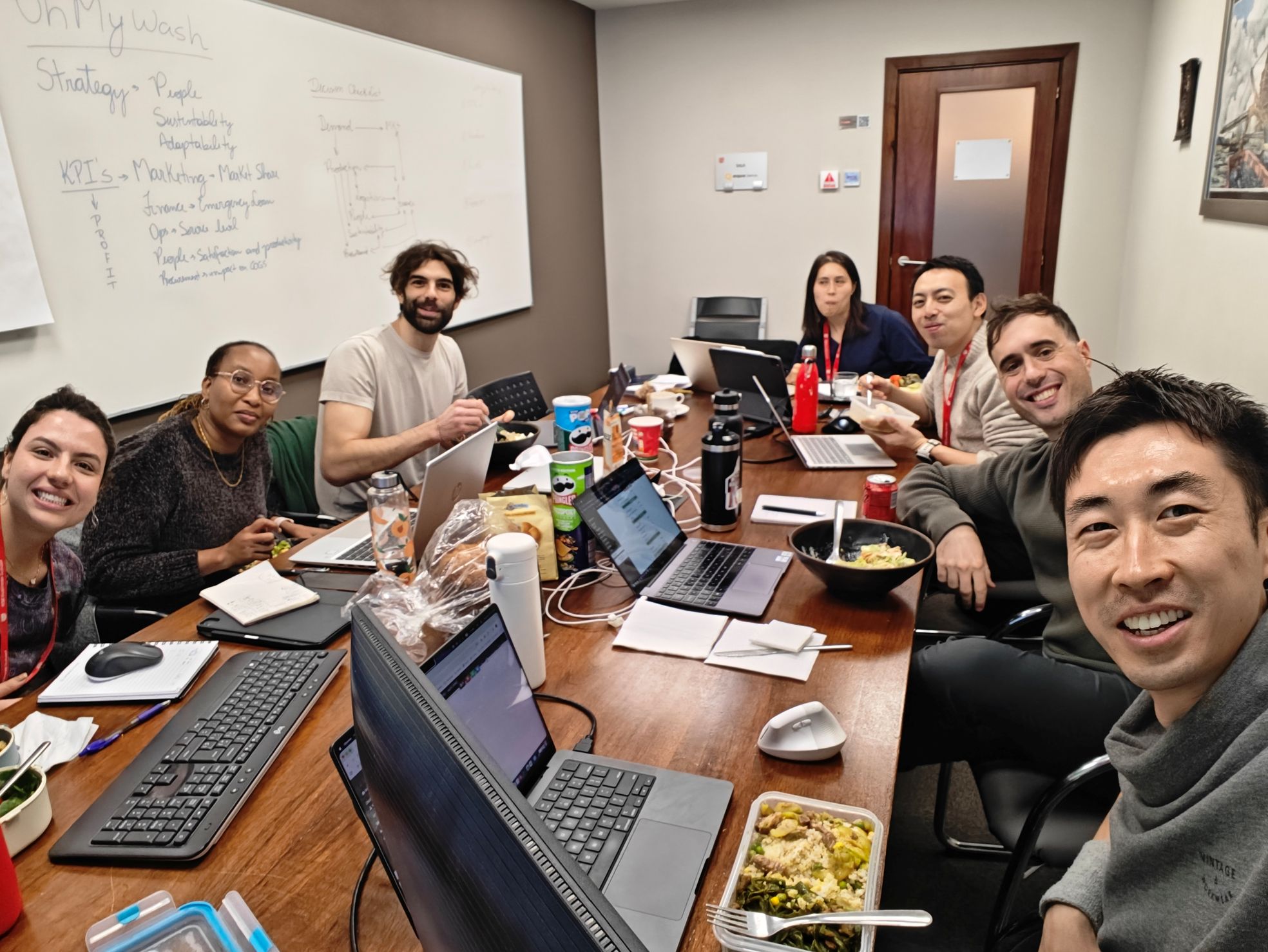
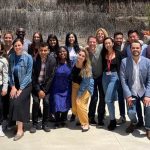
Grateful for an exceptional team!
Grateful for an exceptional team where no one could have been better suited for their role:
• Ana Carolina Moreira [CEO] — Kept the rhythm, united the team, and gave everyone space to own their work.
• Ignacio Rodriguez Geisse [CFO] — Sharp financial instincts, bold yet meticulous, always knew what each role needed.
• Rolayo Lasebikan [CMO] — Exceptional market sense, adapted fast to dynamics, drove our demand forecast with precision.
• Daiki Tsujii [CLO] — Meticulous calculations on inventory and logistics, ensured balanced growth across all regions.
• Yuna Sala Nishikawa [CPO/CSO] — Steady and strategic, advanced people and sustainability goals step by step within resource constraints.
• Federico Ventimiglia [Controller] — The glue of the team, built forecasts with CMO, financial models with CFO, and kept everything running with CEO.
Acknowledgments
Special thanks to the professors (Alex Grasas, Alejandro Lago, Albert Girbal, Fede Sabrià, Mireia Giné) and our external board members (Jan Bonel, Javier Gonzalez Recio, Eva Cid) for making this experience so real. The complexity, the pressure, the breaking news that kept us on our toes… you made five days feel like five years of learning.
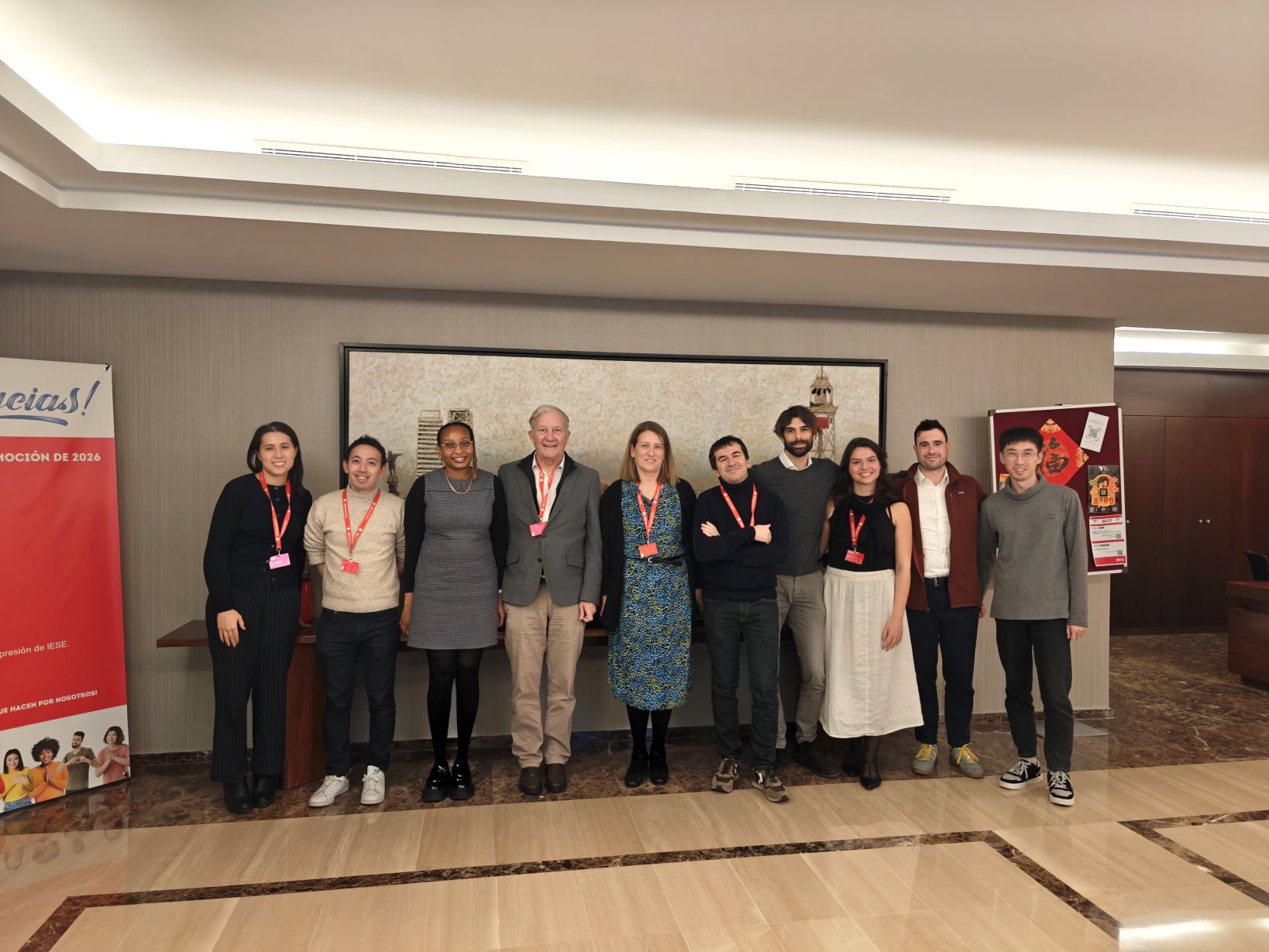
Special thanks to all our board members in the simulation!
The simulation has ended, but the learning hasn’t. Excited to bring these lessons into the real world.
Written by Pengfei Li, MBA Class of 2026
[This article is re-posted from Linkedin]
Pursue your dream MBA! Take these next steps today:





What an inspiring read! 🚀
This EXSIM experience really shows how real-world business challenges can be compressed into an intense yet invaluable learning journey. The way the simulation forces fast decision-making, cross-functional thinking, teamwork and strategic planning is exactly the kind of preparation future leaders need. I especially loved how the author highlighted that it’s not just about winning in the simulation — it’s about understanding teamwork, cash flow discipline, anticipating competitors’ moves, and managing uncertainty under pressure.
Thanks for sharing these insights — they make me appreciate how hands-on simulations like EXSIM push MBA students beyond theory into true strategic thinking. 🙌
EXSIM truly sounds like one of those experiences that compress years of leadership lessons into a single intense week. I especially appreciated your point about cash flow discipline and cross-functional alignment — those are insights that go far beyond simulations and directly reflect real-world executive decision-making.
What stood out to me is how structured pressure, board accountability, and market uncertainty together shape sharper strategic thinking. For students planning their MBA journey, experiences like this also highlight why evaluating placement outcomes, curriculum structure, and practical exposure before applying becomes so important.
Thank you for sharing such a thoughtful reflection on strategy, trade-offs, and leadership under pressure.