

After a career at Unilever and a food start-up, Martijn Ruding (MBA ’06) now leads partnerships at Tiny Miracles, a certified B Corp empowering over 500 women in Mumbai through fair, dignified work. By co-designing products with clients like Heineken, Rituals, and Tony’s Chocolonely, the organization turns responsible sourcing into scalable impact. Martijn shares how his IESE experience shaped his journey into social entrepreneurship, the vital role of partnerships in driving systemic change, and his advice for anyone seeking to align business with purpose. Read on.
Q1: What led you from IESE and your earlier career in consumer goods into the world of social entrepreneurship and, specifically, to Tiny Miracles?
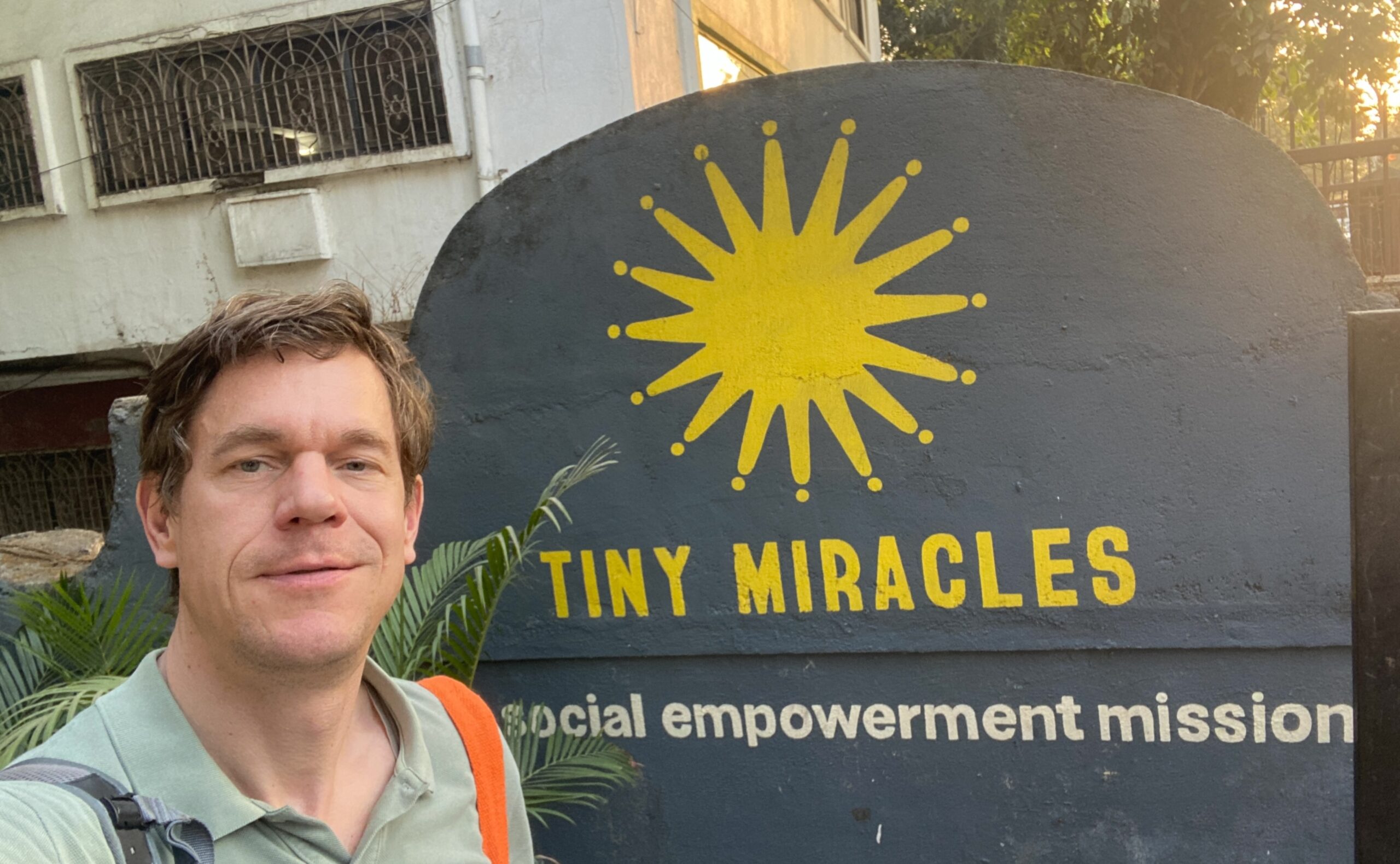
My MBA at IESE in 2006 and my early career deepened my passion for consumer brands, so I joined my dream employer: Unilever. After eight years, I moved to a food start-up to gain hands-on brick & mortar retail experience, while coaching newcomers to the Netherlands in my spare time. Over time, I felt increasingly drawn to purpose-led work. In 2022, everything clicked when I joined Tiny Miracles, founded by university friend Laurien Meuter, a B Corp in Mumbai and Amsterdam that boldly blends commercial drive with real social impact.
Q2: For those less familiar, how would you describe Tiny Miracles’ mission and the social challenges it addresses?
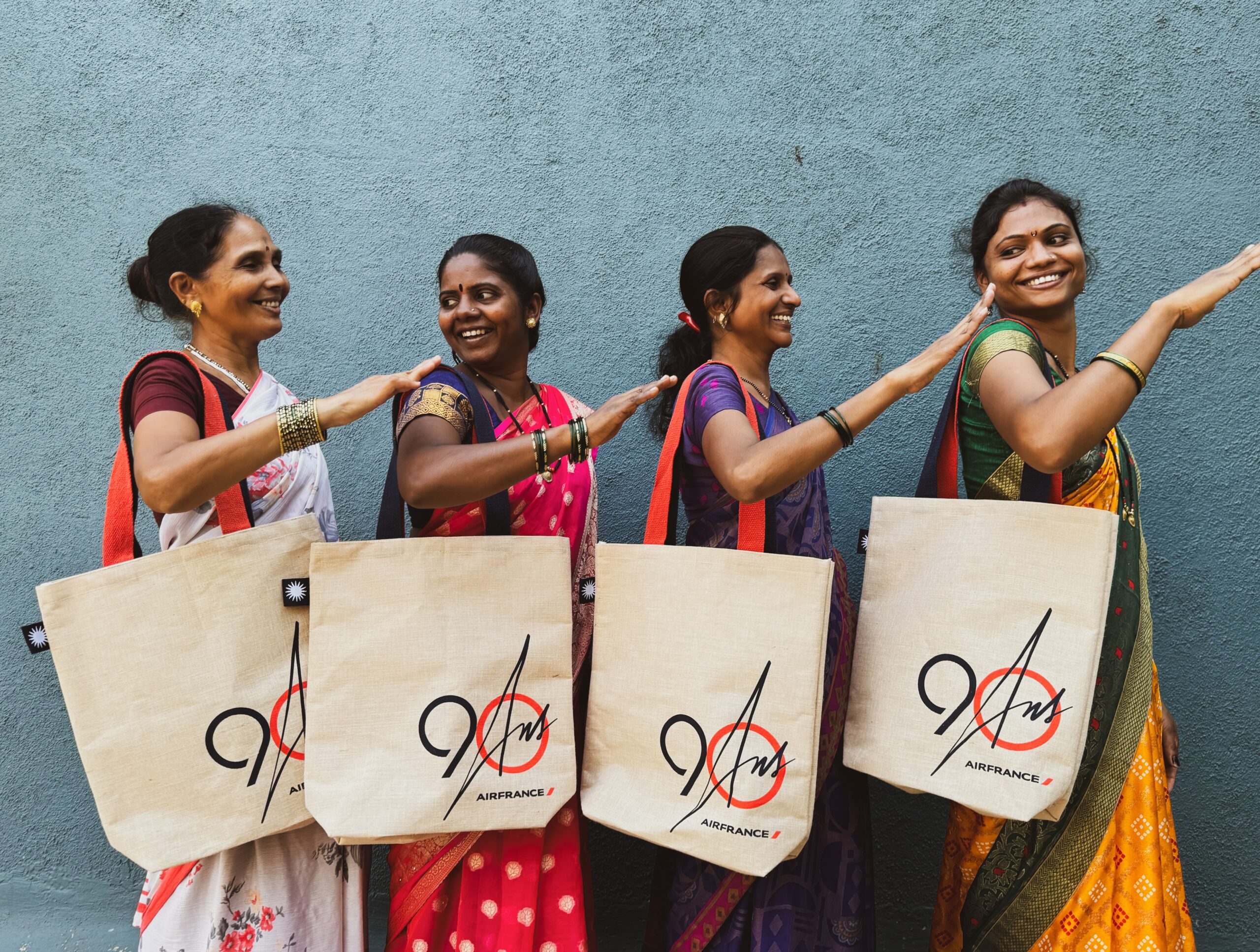
Our (not so) simple mission is to upskill women from underserved communities in Mumbai and help them build a dignified, financially independent future. By crafting high-quality textile merchandise, they stitch a brighter future through fair incomes and lift their families out of poverty. It’s not charity, it’s good business. We co-design products tailored to each community’s needs. One client alone ordered 1.3 million bracelets producible from home by elderly and visually impaired artisans. Today, 500+ women produce over three million textile products for partners like Rituals, Heineken, and Tony’s Chocolonely. Besides our business arm, our foundation provides healthcare and education.
Q3: As Head of Partnerships, how do you approach building alliances that help scale Tiny Miracles’ impact?
We help companies rethink sourcing, beyond labels like Organic Cotton or Fairtrade, and focus on what truly changes lives. Alongside commercial partnerships, we engage future leaders through talks at IESE, B Corp events, and industry forums. And we’re now collaborating with designers from Europe and India to launch a social design hub in Mumbai, which I’m incredibly excited about.
Q4: How did your MBA at IESE shape your perspective on leadership, collaboration, and purpose-driven work?
My 210 classmates, many of whom are still close friends, broadened my worldview and constantly challenged my assumptions. I learned that perspective shapes problem-solving, and that diverse lenses lead to better answers. In Barcelona, the world pulled up a chair. Professor Johanna Mair also exposed me to corporate responsibility, planting a seed that’s now grown into my everyday work. I’m walking the talk. Today, I feel proud helping decision-makers in start-ups and global B2C brands use sourcing as a genuine force for good.
Q5: What are some of the hurdles you face in establishing partnerships for social enterprises, and how do you overcome them?
Many companies are unaware of social sourcing or fear leaving their “smooth” supplier who cuts corners for us, a team who bears necessary inconveniences to deliver real impact. We overcome questions on quality and scale through transparency, our track record of millions of products, and co-designing with our product developers to de-risk orders for merchandise. Explaining the real impact of an order -say, 100,000 bags- helps. But the biggest converter is bringing partners to our un-factories. Seeing is believing.
Q6: What advice would you share with IESE students and alumni interested in contributing to social entrepreneurship, either as founders or through strategic roles like yours?
The good news is: you don’t need all the answers to a social challenge on day one. Pilot, learn, iterate. Laurien began Tiny Miracles by organizing schooling for children living on Mumbai’s streets, then years later created dignified work for their parents, and today we produce 3+ million products a year. Step by step. Make sure to engage your colleagues and end-consumers. Most people want to contribute to a brighter world, but don’t know how. Your company can be that enabler. Finally, profit is not the enemy. Building financially sound solutions will ignite all companies to follow, one day. If you’d like to exchange thoughts, don’t hesitate to get in touch on LinkedIn. And if you’re ever in Mumbai, we’ll arrange a visit to our un-factories.
⚡ Thank you, Martijn, now for the speed round.
Q1: What do you do in your free time?
Play tennis, read newspapers, and meet friends in Amsterdam’s cozy brown cafés (bruine kroegen in Dutch).
Q2: If you had to describe yourself in three words, what would they be?
Broad-minded, loyal, quick-witted.
Q3: What are you reading, watching, or listening to these days?
Reading various newspapers and Shantaram, 900+ pages, wish me luck. Occasionally, I binge on series, but I lack the patience for endless seasons.
Q4: Something that makes you happy:
Seeing 3,000 community members build brighter futures. And closer to home: skating on frozen Dutch lakes.
Q5: Favorite place:
My local bar and tennis club. And further away: Barcelona, of course, New York, and Mumbai.
Q6: What is the most important lesson you’ve learned in life so far?
Live and let live.